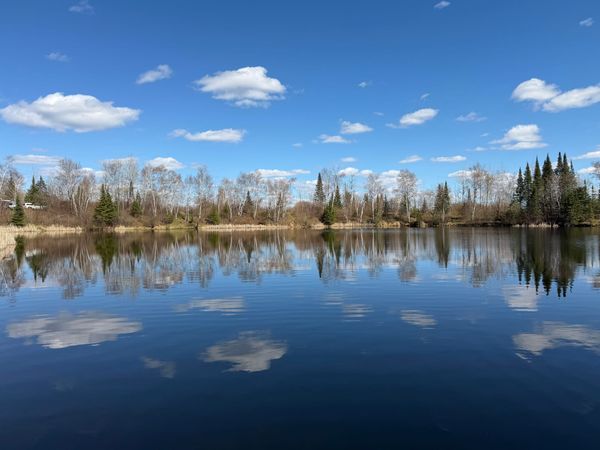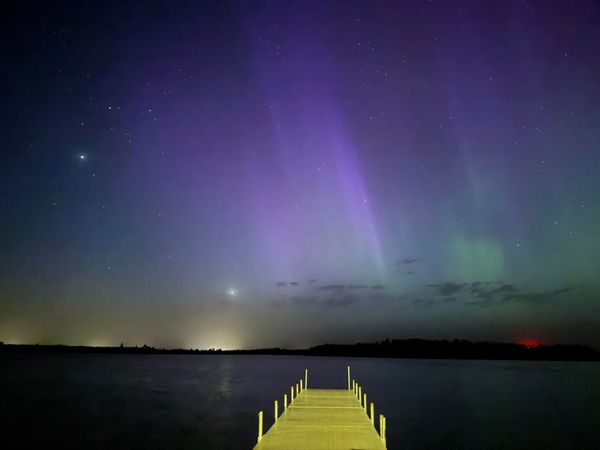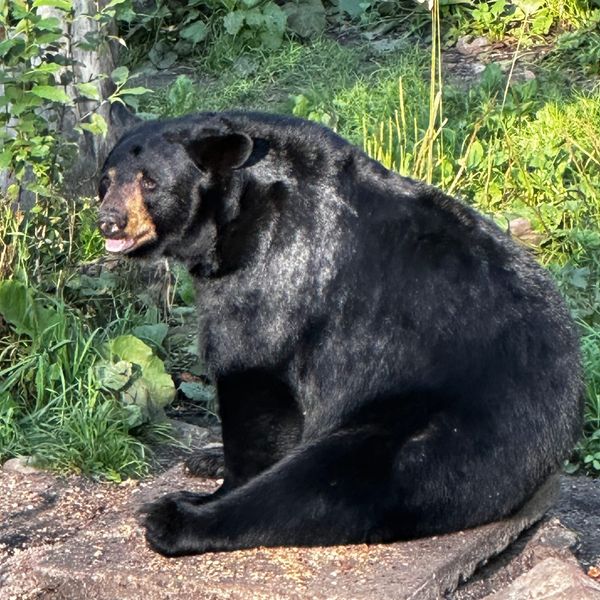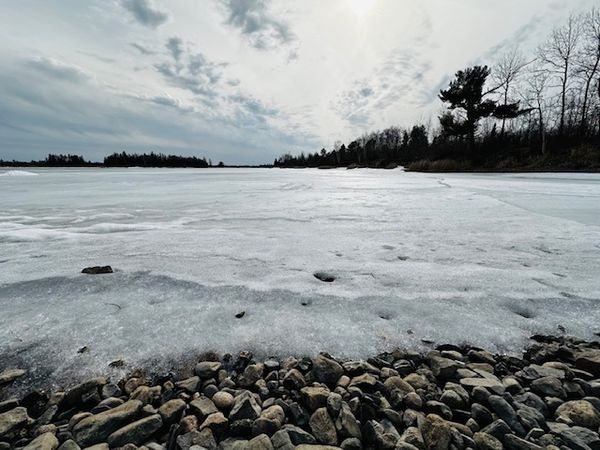
There isn't a mine yet.
Act now to protect the Boundary Waters before it really is too late.
This week, we experienced another devastating blow when H.J. Res. 140 was signed into law. This bill overturned Public Land Order 7917, which banned sulfide-ore copper mining from 225,504 acres of Superior National Forest land in the Rainy River watershed and headwaters of the BWCAW for 20 years. In an unprecedented move, congress used the Congressional Review Act to overturn these protections by a simple majority vote, which passed entirely on party lines. This move not only overturns Public Land Order 7917, but it prevents any future protections on public land like it to be passed into federal law. Despite outcry from the public, and a bipartisan/nonpartisan coalition made up of tribal leaders, hunting and fishing groups, outdoorspeople, public land advocates, and speeches by multiple state Senators, including a protest speech by Minnesota Senator Tina Smith on the Senate floor, the resolution was passed and signed into law.
Copper-nickel mining is one of the most environmentally destructive forms of mining and it has a 100% chance of polluting the watershed of the country’s most visited wilderness area—a place where you can drink the water right out of the lakes, and a place that contains 20% of the fresh water in the National Forest System. The path of pollution for this mine shows the potential for immeasurable loss that would take generations to clean up if it ever can be.
But the mine isn’t built yet. And there’s still plenty we can do.
How You Can Help Protect the Boundary Waters
Step one: Head here for instructions on how to contact the Minnesota DNR and ask them to cancel Twin Metals' mineral lease: Minnesota Has the Power to Stop Twin Metals – Here's How - friends-bwca.org.
Step two: Donate to Friends of the Boundary Waters, Save the Boundary Waters and/or sign up to get involved as a volunteer and to receive updates on further ways to help. These are trusted organizations that have been building funding and legislative structures to protect this wilderness for years.
Step three: The 2026 midterm election will be an enormously consequential election and we must all get involved now. Find out what candidates are running where you live and find out where they stand on protecting public lands—whether it be the Boundary Waters, or places closer to your home. Support the campaigns of those politicians who are public land champions and make sure other candidates know how important this issue is to you and your community.
Step four: If you live in Minnesota’s 8th Congressional District, please support Trina Swanson, the current frontrunner to unseat Pete Stauber who started all of this: Trina Swanson for Congress — Minnesota’s 8th District. I am endorsing Trina on this post because she has made a clear stance about protecting the BWCAW, has by far the most qualifications for the job, and is currently the lead candidate for the race.
And last but absolutely not least, continue calling and emailing your elected officials to let them know where you stand on protecting the environment, public lands, and wildlife.
Here are some more facts about the importance of the BWCAW
Passage of H.J. Res 140 poses a threat to BWCAW tourism, which generates about $1 billion annually in revenue, along with over 17,000 jobs in Northeastern Minnesota.
The BWCAW and threatened watershed are the ancestral home of Anishinaabe people, and the resolution directly threatens tribal rights secured under the 1854 Treaty of La Pointe.
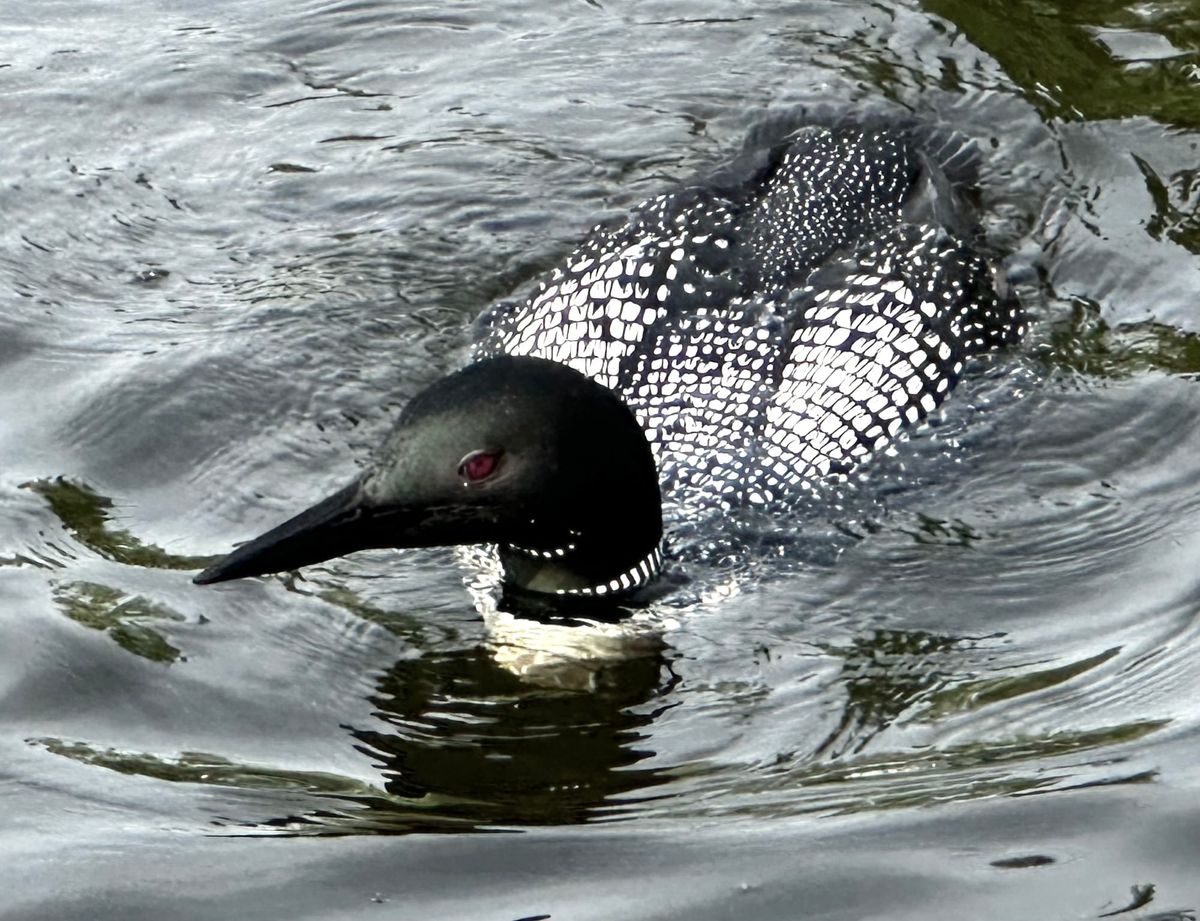
The Boundary Waters is a critical sanctuary for over 50 mammal species and over 200 bird species, including the iconic Common Loon. There are also reptiles, amphibians, and of course many plant species that thrive in and depend on the wilderness. Three federally threatened species—Gray Wolves, Canada lynx, and the Northern Long-eared bat—also call the wilderness home.
Minnesotans overwhelmingly support protecting our beloved Boundary Waters. We simply do not want a foreign mining company or any mining company to destroy something that is so precious to us, to so many who have made memories here, and to even more who depend on the freshwater systems in and around this place.
There is still time. There is still hope. Act now and use your voice while we still can.